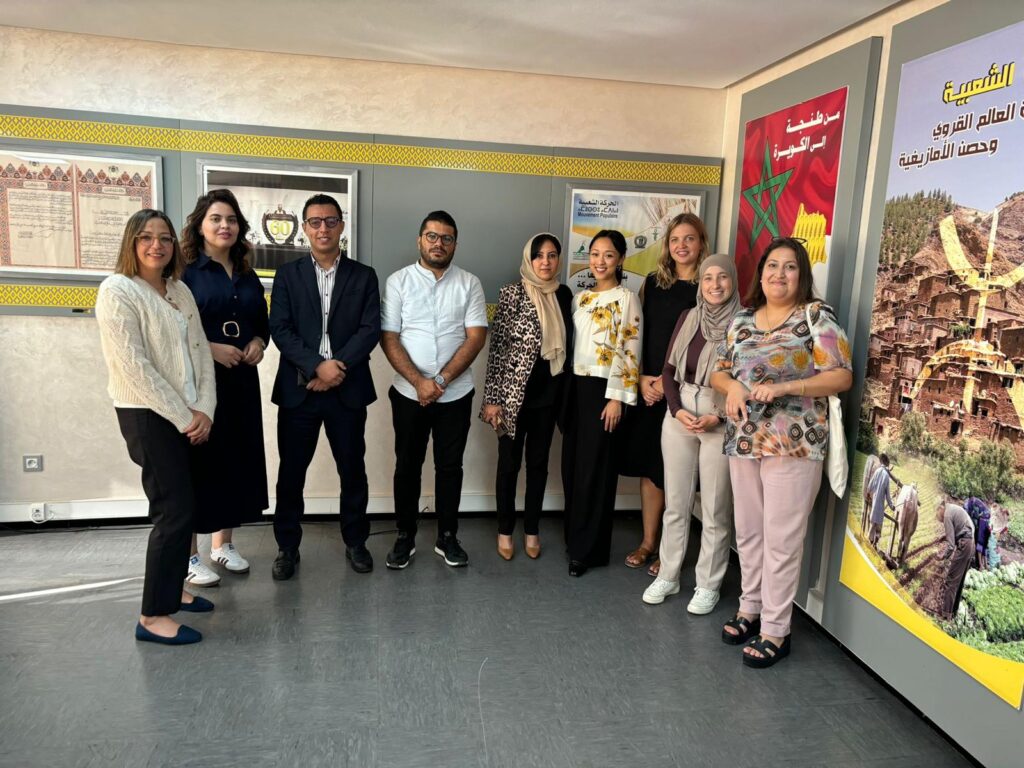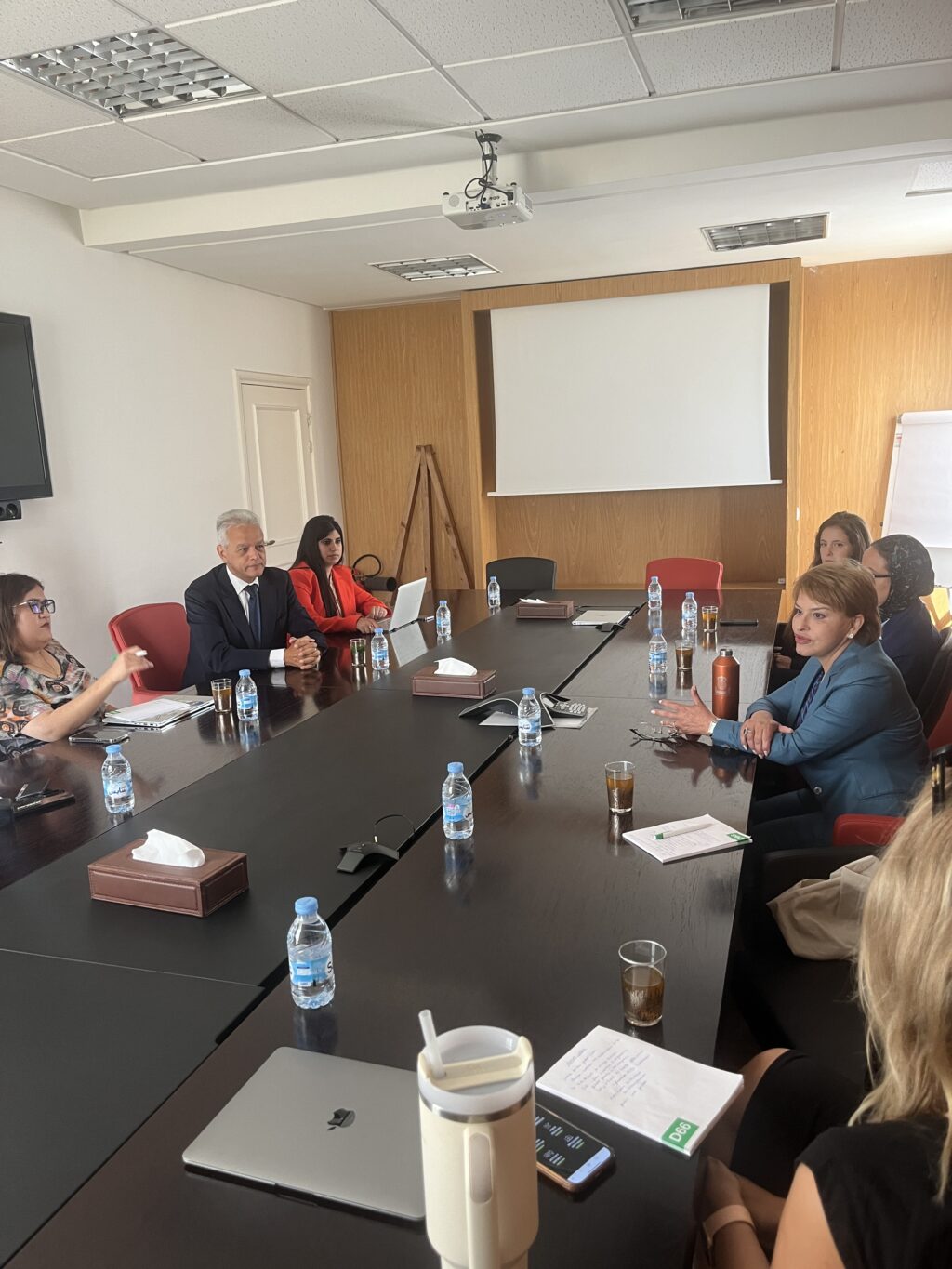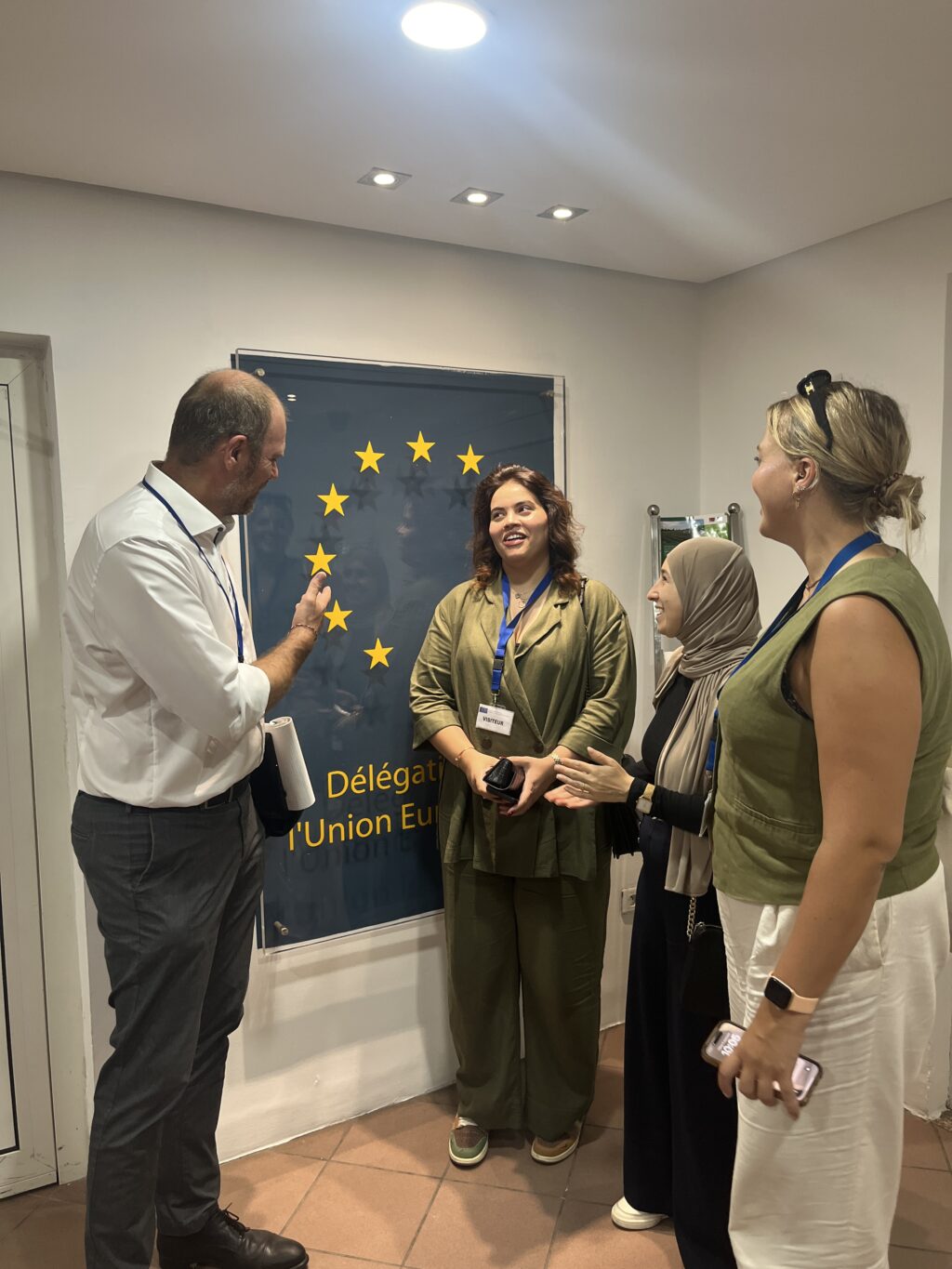
Last week, Liberal International and D66 International brought a delegation of women experts to Rabat to develop recommendations improving climate justice in renewable energy transitions and build women’s leadership in the field.
Conversations with stakeholders ranging from Matilde Ceravolo, Chief of Economic Competition, Environment, and Infrastructures and Gaetan Ducroux, Chargé of Energy, Climate, and Environment from the EU Delegation to Morocco to Ahmed Baroudi, Director General of Société d’Ingénierie Énergétique, revealed the challenges and opportunities for climate justice presented by the development of renewable energy.
Morocco is a leader in renewable electricity with plans to increase its renewable share of power generation to 52% by 2030. Ouarzazate Solar Power Station, located in the south of the country, is the world’s largest solar concentrated power plant. Morocco has developed green partnerships with actors like the European Union and Germany, challenging historical binaries of North-South trade dependency.
However, with rapid transformational development, local communities can find their environments upended, new forms of dependency can emerge, and regulatory and oversight mechanisms can overlook these risks.
The delegation (Abir Yahyaoui, Irene Wang, Kenza Sammoud, Laura de Vries, Muriel ten Brummelhuis) will follow up with a report on general findings and recommendations to promote just energy transitions.