Economic plans worth trillions of dollars in public money are being rolled out to stave off the immediate collapse of some badly hit businesses, such as airlines and tourism – and to protect the incomes of workers in danger of redundancy as normal life becomes impossible across Europe and large parts of the US, as it already has in many parts of east Asia. But while people’s health and the immediate welfare of workers caught up in the crisis are paramount, campaigners and experts fear that if the longer-term packages are not carefully designed they will only entrench fossil fuel dependence across the global economy.
The International Energy Agency, along with a chorus of NGOs and civil society members, are calling on governments to seize the opportunity at hand and ensure the essential task of building a secure and sustainable energy future is woven into any stimulus package released by the State.
Liberal International has prioritised, through the work of its Climate Justice Committee (CJC), the creation of a sustainable economic model that supports a “just transition” that would enable workers to move away from fossil fuel-dependent jobs and into skilled jobs with long-term low-carbon prospects. This position is entirely compatible with the economic policy required to tackle the current crisis.
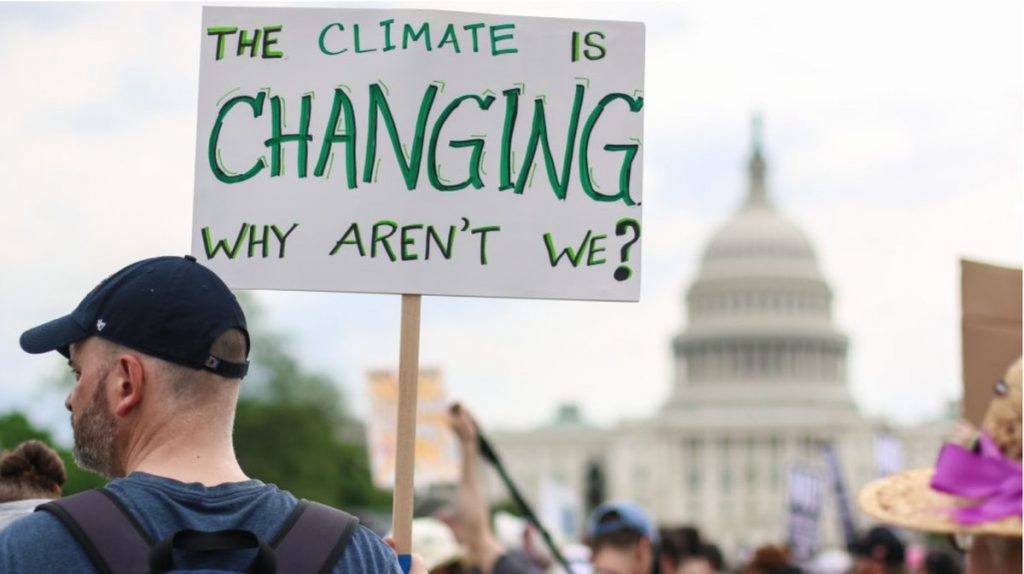
It is vital that we learn the lessons from the stimulus following the financial crisis more than a decade ago are learned. Then, as now, global greenhouse gas emissions paused as the crisis hit. But after the immediate impact, emissions began their steady rise again and have continued to do so since, partly because the chance was missed to use the vast amounts of public money to set the world on a more sustainable path. As CJC member Milosz Hodun summarises, the post-pandemic world will be very different from what it was previously; we must do everything possible to ensure that the change is green.
Main Image: Nicole S Glass/Shutterstock.com