As COVID-19 continues to spread in many parts of the world, not all have the privilege of sitting out the crisis.
Almost one billion people worldwide living in vulnerable conditions have little or no access to reliable, affordable energy to remotely communicate with public services, such as food assistance.
Olivier Dubois, Senior Natural Resources Officer and Leader of the Energy Programme of the Climate and Environment Division, Food and Agriculture Organization of the UN (FAO), writes that efforts to maintain energy and food security for the most vulnerable can help us face this crisis and limit the spread of the virus. Households that rely on collected fuel-wood amid reduced mobility during a lockdown are not able to prepare food properly. Energy is needed to pump water – to grow food and to maintain personal hygiene, such as hand washing, to limit the spread of COVID-19.
COVID-19 is forcing us to re-examine the global food system, especially for the most vulnerable communities in developing countries. The possible disruptions of food supply chains and surge in related unemployment risks increasing food insecurity, leaving millions of rural people unable to get adequate daily quality nutrition.
As there is still a lot of uncertainty about when the global economy will recover, Dubois argues that governments and donors should be considering how to “re-localise” food supply chains; a shift that would mitigate disruptions in food supply as well as contribute to the reduction of carbon emissions, of which almost 30% of which are attributed to the global food system.
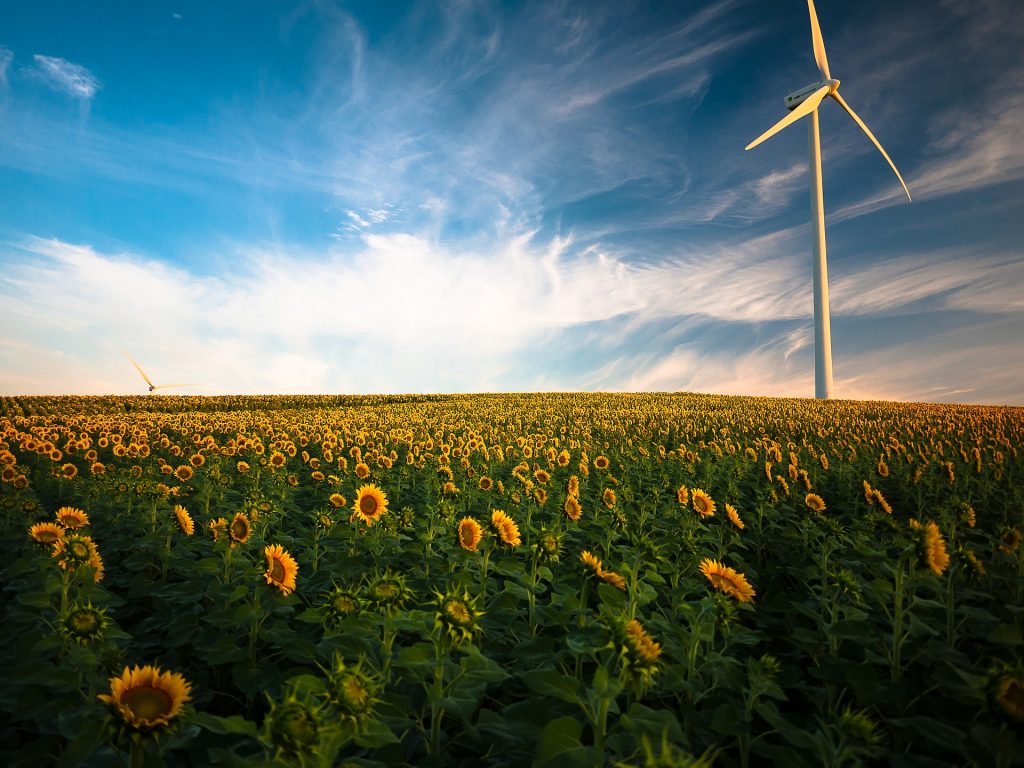
In a globalised economy, to re-localise food supply chains it is important to strike the right balance between open exchange and self-reliance. Renewable energy has a critical role to play in achieving this balance; improved access to energy fosters food production, processing, and storage and, from a circular perspective, the use of agricultural residues from local food chains (for instance for fertilisers and bioenergy). This would strengthen local self-sufficiency in agricultural inputs while also markets remain open and fair, resulting in better resilience to future pandemics and other environmental and climate threats.
Currently, renewable energy grids being built in different parts of the “Global South” are not only powering food production and keeping nutrition stable, but often also helping to keep rural health clinics open that previously lacked power.
Research released last year by the renewable energy focused think tank Power for All, shows that private sector companies delivering solar solutions to rural communities are creating tens of thousands of direct jobs, but there is also a five-fold number of productive use jobs being created in the communities gaining access, and those jobs are largely agricultural. The combination of renewable energy and localisation of food production is thus a factor that can provide economic and environmental benefits.
Using renewable technology to adequately supply good quality nutrition is part of the COVID19 response necessary to keep our communities healthy, but it is also a solution for maintaining a sustainable supply chain that can be scaled internationally or kept local and that, importantly, can help us become more resilient to future global level environmental threats.