The outbreak of the coronavirus threatens our communities, is driving our public health systems to the verge of collapse, consumers are staying home and many businesses are shutting. Although COVID-19 has stalled the global economy and has had an immediate impact on the decline of CO2 emissions in the short term, the Corona crisis risks having a negative impact on global emissions trends long term.
While these changes unveil the fragility of our socio-economic and environmental systems, we must remember that they are temporary. The Coronavirus crisis will pass, but the climate crisis will remain.
Recovery measures in the post COVID-19 world have to be compatible with the Paris agreement principles and objectives so that stimulus packages seeking to revive the economy will put in place a carbon-neutral and economically sustainable society.
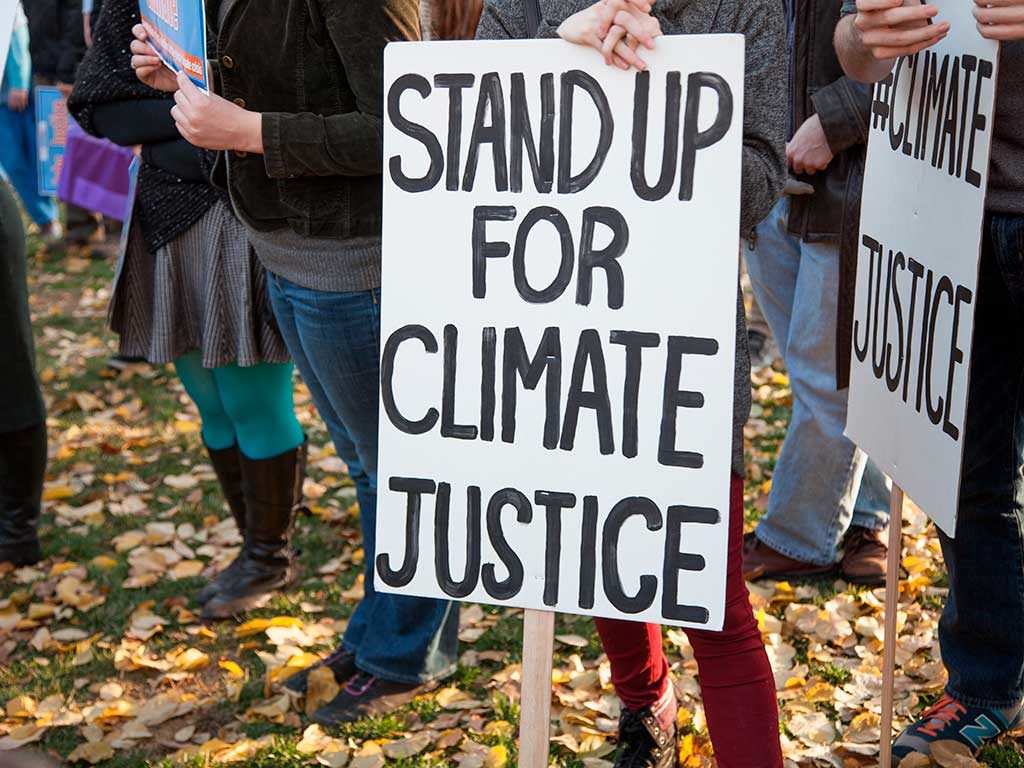
While drastic change is necessary, we must remember that fighting the climate crisis cannot leave anyone behind; the responses to the climate crisis – and any other global emergency – must have social justice at their core. The idea that the suffering of the most vulnerable people and increasing inequality are trade-offs for reducing emissions is just not acceptable.
Yes, we must ensure that the post COVID-19 response is based on a neutral carbon and circular economy principles, but we must also recognise that such drastic action will disproportionately adversely affect women, children and other vulnerable groups unless we specifically address this concern while designing our economic strategies. If we are to reshape our way of life, we need to remedy long-standing inequality and give a voice to those who are too often ignored when nations come together to discuss global issues.
Liberal International, since the formation of its Climate Justice Committee in 2018, has been working to promote three essential aspects of climate justice:
As CJC member Susanna Rivero Baughman reminds us, and as climate justice activists have been calling for, for years now, Governments must internalise these principles in order to emerge from crises with solutions that ensure justice for all. The COVID-19 virus has ravaged our communities and economies for months now; as the world recovers, we take the opportunity to insist on carbon neutral and circular economy models.
Main image: AdobeStock by JP Photography